Raft Beginner Guide — What to Learn First
Raft is a co-op survival built around ocean drifting with resource hooks and islands. This guide explains the fundamentals new players should learn before chasing advanced tactics on PC.
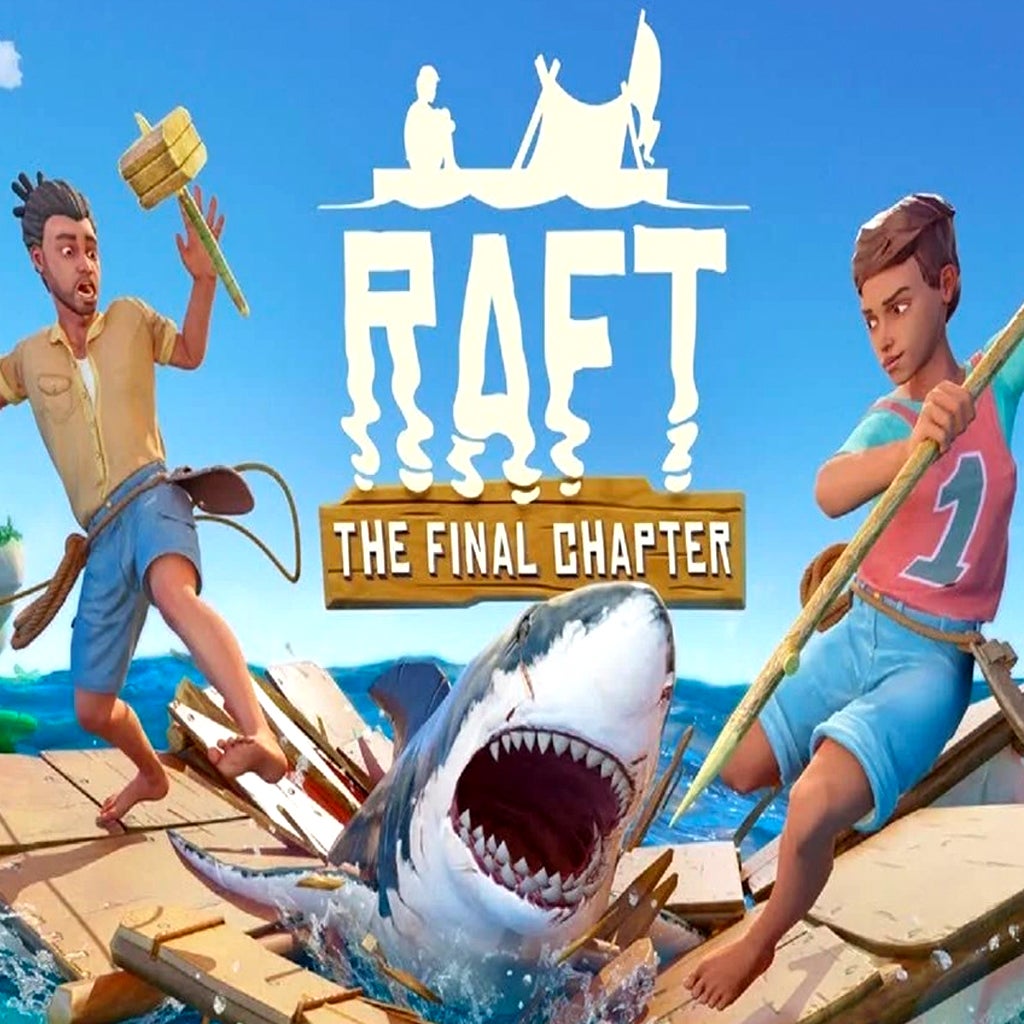
Understanding the Raft loop
Most sessions in Raft follow a repeatable loop: prepare your loadout, enter a match or zone, complete objectives, and extract or reset with new gear. On PC, that loop is tuned for ocean drifting with resource hooks and islands.
Spend your first hours learning map flow instead of rushing high-tier equipment. Raft rewards players who understand spawn timing, safe rotations, and when to disengage.
Controls, settings, and performance
Set a stable frame rate before tuning sensitivity. Lower visual clutter helps you track targets during ocean drifting with resource hooks and islands.
Use the in-game firing range or low-risk modes to test recoil patterns. Small adjustments to ADS sensitivity often matter more than raw aim speed in Raft.
Progression without burnout
Pick one weapon archetype and one role for a week. Raft metas shift after patches, but fundamentals transfer across updates.
Review patch notes when balance changes hit your main kit. Adjust one variable at a time so you can tell whether a loss came from mechanics or matchmaking.
For more game updates, guides, and related resources, you can also explore this resource.